All Categories
Featured
Recovering Personal Credit Score the Strategic Way Things...
The Community-Based Relief Programs Reviewed PDFs
The Facts About Understanding Financial Fresh Starts for ...
Table of Contents
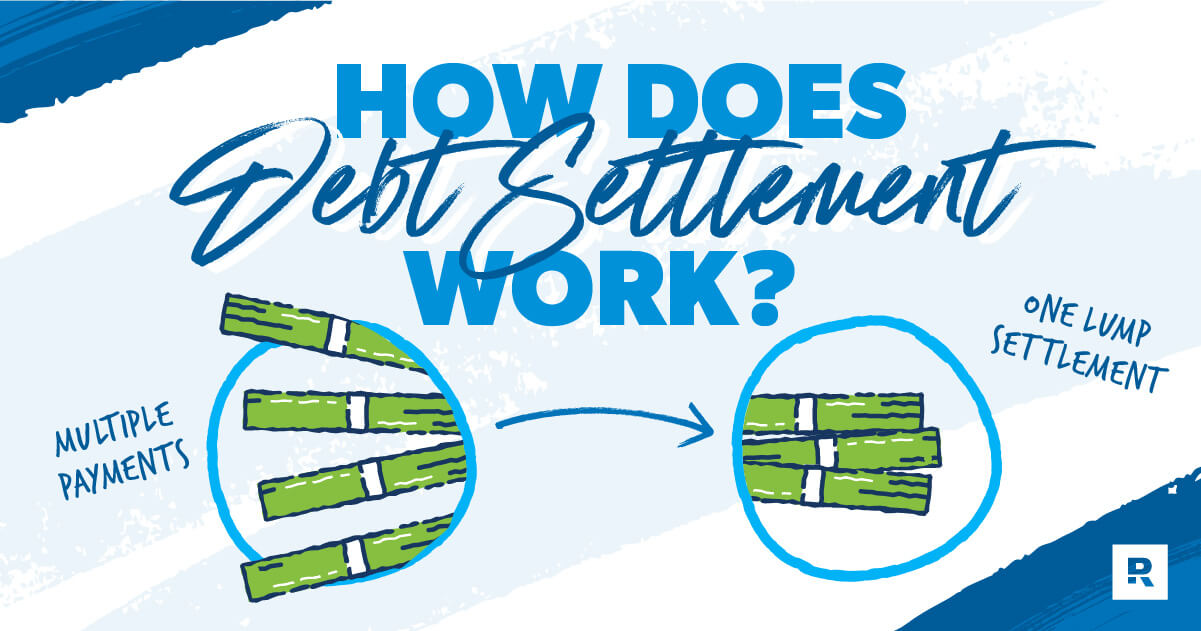
That frees up money in the brief term, and you might have 3 to 4 years to conserve toward the settlement quantity. Really harmful to credit report, mostly because of missed out on repayments and an adverse "settled" mark that could remain on your credit rating record for approximately 7 yearsMay be just choice if various other options (debt loan consolidation, balance transfer credit history cards, financial obligation forgiveness) aren't possibleTypically calls for a fee to the 3rd party, which might counter some or every one of the savings from financial obligation settlementMay help you stay clear of insolvency if you have actually missed out on a number of paymentsNot all financial institutions function with financial obligation negotiation companies Financial obligation forgiveness might be ideal for you if you are experiencing a monetary challenge that makes it virtually difficult to pay for your financial debt equilibriums.

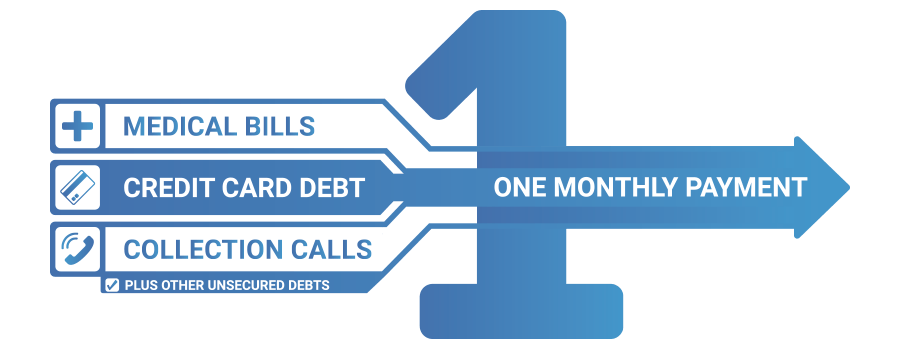
With a DMP, you make one monthly payment to the debt therapy company. Those funds are then distributed to financial institutions of your unsafe financial debts, such as charge card and installment loans. The company functions with your lenders to lower rates of interest or waive charges, yet some creditors might refuse such giving ins.
It can help you pay down financial obligation if you're able to protect a car loan price that's lower than the average rate of the accounts you're combining. You have to abstain from racking up financial obligation on those newly gotten rid of accounts or your financial obligation might grow even greater.
These cards commonly use a 0% passion initial duration of approximately 21 months. That offers you plenty of time to eliminate or significantly minimize your balance while making interest-free repayments. For some people dealing with insurmountable financial obligation, insolvency might be the only way to stop collection procedures and lawfully resolve their financial obligations.
All About Getting Support Through Integrating Financial Wellness into Everyday Life: A Path to Peace and Prosperity : APFSC Providers
You might need it if your creditor or a debt collector ever before tries to collect on the debt in the future. The letter could prove you do not owe what the collection firm's records reveal. Yes, most of the times, the internal revenue service takes into consideration forgiven financial debt as taxable revenue. When a lender forgives $600 or more, they are called for to send you Kind 1099-C.
Financial debt forgiveness or negotiation almost constantly hurts your credit. Anytime you settle a financial debt for much less than you owe, it may show up as "worked out" on your credit score record and affect your credit rating for seven years from the day of settlement. Your debt can also go down considerably in the months leading to the mercy if you fall back on settlements.
The Facts About Lasting Impact on Integrating Financial Wellness into Everyday Life: A Path to Peace and Prosperity : APFSC Decisions Revealed
This circumstance frequently results from underreporting earnings, not submitting returns on time, or disparities discovered throughout an IRS audit. The effects of gathering tax obligation financial debt are serious and can consist of tax obligation liens, which provide the IRS a legal insurance claim to your residential or commercial property as safety and security for the financial obligation.
Greater interest rates on available credit scores. Earnings and Financial institution Accounts internal revenue service can impose (confiscate) earnings and checking account to please the debt. Decreased revenue and disturbance of vital monetary procedures. Home Seizure In extreme instances, the internal revenue service can confiscate and market home to cover the debt. Loss of useful properties and possible variation.
Social Preconception Facing legal activity from the IRS can carry social preconception. Employment Opportunities An inadequate debt score due to exhaust debt can limit employment chances. Federal government Benefits Tax obligation financial debt might impact qualification for federal government advantages, such as Social Protection and Medicaid.
Things about Recession That Affect Rising Need Are Seeking Integrating Financial Wellness into Everyday Life: A Path to Peace and Prosperity : APFSC
The OIC takes into consideration several variables, including the taxpayer's earnings, costs, possession equity, and ability to pay. Efficiently negotiating an OIC can be intricate, calling for a complete understanding of the IRS's standards and a solid argument for why your offer straightens with your capability to pay. It is very important to note that not all applications are accepted, and the procedure needs thorough monetary disclosure.
The internal revenue service evaluates your overall economic circumstance, including your income, expenditures, possession equity, and ability to pay. You need to also be present with all filing and settlement requirements and not be in an open insolvency proceeding. The IRS additionally considers your compliance background, reviewing whether you have a document of prompt filing and paying taxes in previous years.
The smart Trick of Essential Things to Ask a Bankruptcy Counseling Organization That Nobody is Talking About
The application procedure for an Offer in Concession includes several detailed steps. You should complete and send Internal revenue service Type 656, the Deal in Compromise application, and Type 433-A (OIC), a collection details declaration for people. These types require detailed economic information, including information regarding your earnings, financial debts, expenses, and possessions.
Back taxes, which are overdue taxes from previous years, can significantly enhance your total internal revenue service financial debt if not addressed immediately. This financial obligation can accumulate rate of interest and late settlement charges, making the initial amount owed a lot larger gradually. Failing to pay back tax obligations can cause the IRS taking enforcement actions, such as providing a tax obligation lien or levy against your residential property.
It is essential to deal with back tax obligations as quickly as feasible, either by paying the full quantity owed or by setting up a settlement strategy with the internal revenue service. By taking positive actions, you can prevent the accumulation of added interest and penalties, and protect against extra aggressive collection activities by the IRS.
One typical factor is the belief that the taxpayer can pay the sum total either as a round figure or via a repayment plan. The internal revenue service also considers the taxpayer's revenue, expenditures, property equity, and future earning capacity. If these factors suggest that the taxpayer can manage to pay even more than the offered quantity, the IRS is most likely to deny the offer.
The Facts About Understanding Bankruptcy Types and Eligibility Revealed
Dealing with IRS debt can be intricate and overwhelming. Tax professionals, such as Certified public accountants, tax obligation lawyers, or enrolled agents, can offer very useful aid.

Table of Contents
Latest Posts
Recovering Personal Credit Score the Strategic Way Things To Know Before You Buy
Community-Based Financial counseling for veterans in California facing high rent and everyday living costs Options Compared Things To Know Before You Get This
/images/2025/11/17/how_does_debt_settlement_work_.png)
The Community-Based Relief Programs Reviewed PDFs
More
Latest Posts
Recovering Personal Credit Score the Strategic Way Things To Know Before You Buy
The Community-Based Relief Programs Reviewed PDFs